What can we learn from baby elephants?
“Often that lies became our truth.”

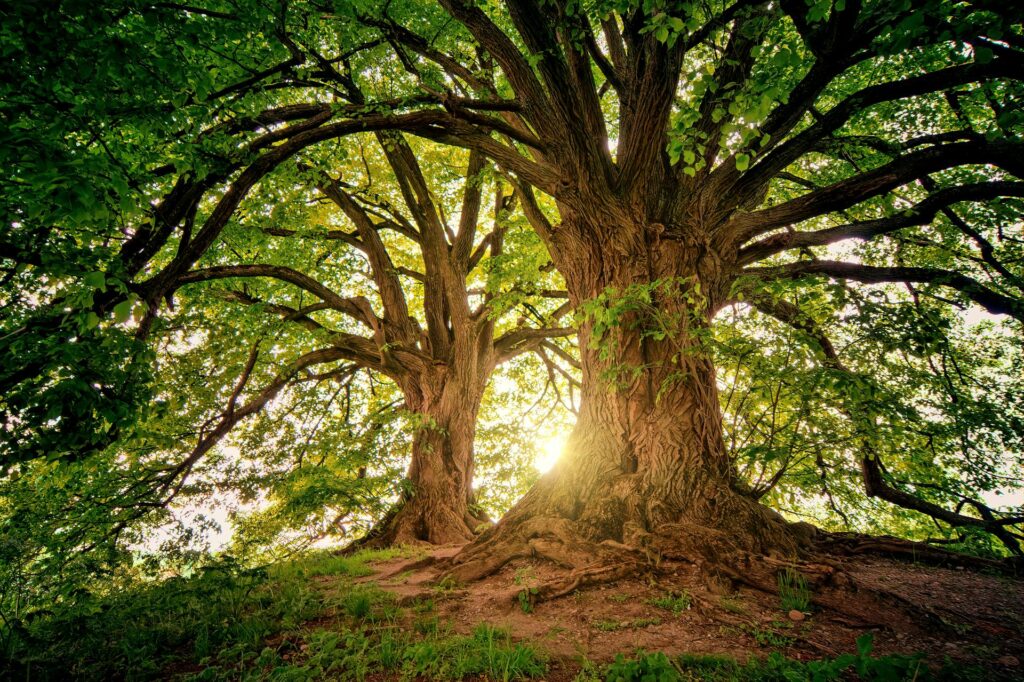
Some time ago, I described an image to a friend. “Imagine you are a seedling of an oak tree. The acorn has opened and now there are two little leaves outside. And no matter who comes and steps on you or nibbles at you, you are dead and gone. Of course, you want to build a wall around yourself to protect you.
And even if the wall is only two bricks high, it’s great because you can hide behind it.

But if one day you are an oak tree and still see yourself as a seedling and try to hide behind two bricks, then that’s just silly.”
A few days ago, I heard the story about the baby elephants again on TikTok, which has a similar core message. It’s all about our worldview.
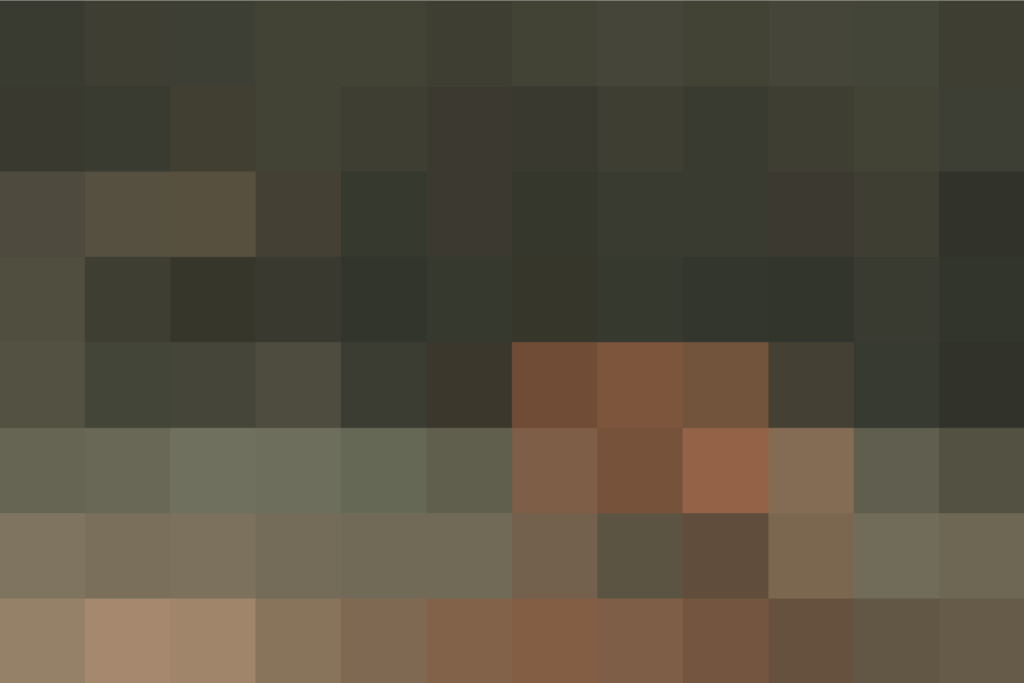
So what do you see in this picture? What’s in it? I admit the resolution isn’t great, but maybe you have an idea.
But let’s first get to the story and why people are like elephants.

When elephants are brought into captivity as babies and chained up, they learn that they are too weak. They cannot break the chain. They are trapped.
That is their reality.
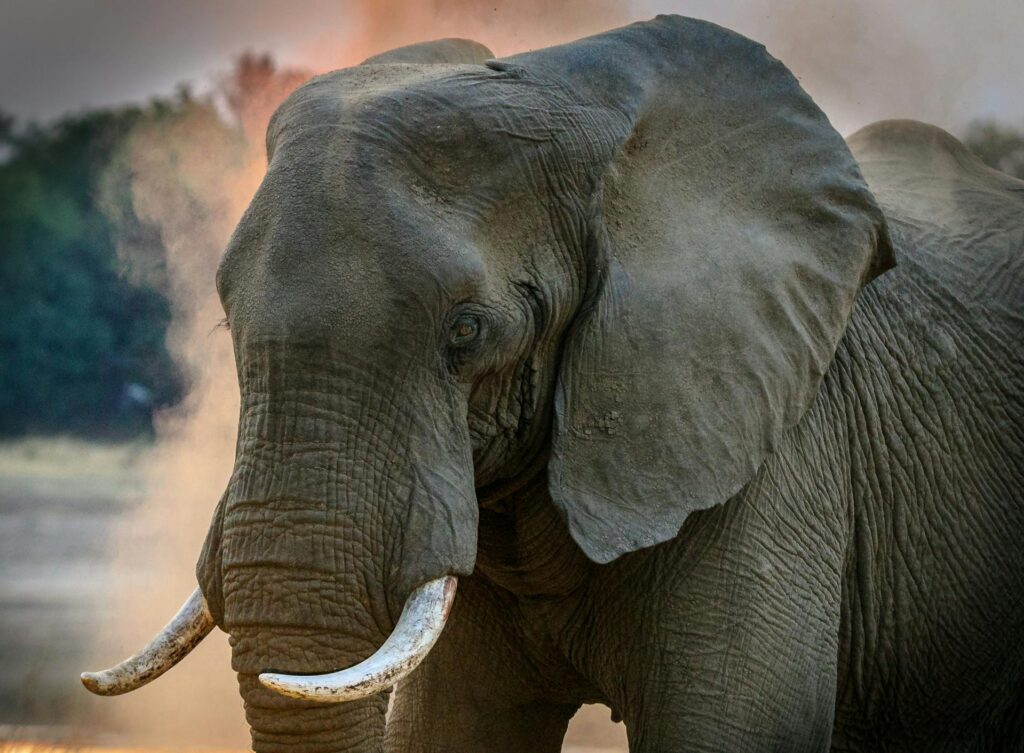
When they grow up and could easily break the chain, they don’t do it. They live with the “knowledge” that it’s not possible. That they are too weak and the chain determines what is possible. They still see the chain as they experienced it as babies. Their perspective has been frozen.

It’s the same with us humans. These “chains” are part of our worldview and our beliefs. We learned about the world as children, and our brains are quite simple in that regard. Between the ages of 10 and 12, it goes like this: “We don’t know everything about the world, but we know enough. We’ve survived so far, so what we know and understand works. It keeps us alive. So we repeat it for the rest of our lives.”
Because the job of our brain (especially the Gecko and parts of the Limbi) is to keep us alive. If it manages to do that, its job is done. Whether we live in paradise or a torture chamber is irrelevant.
It keeps us in familiar territory. That’s all. That’s the core of trauma. We store something as “this is safe because we survived,” even though we don’t want to repeat it (consciously). That’s why we don’t develop trauma when we experience something bad and are able to process it with other people. Because then the deeper layers of the brain also learn, “Oh, that was an undesirable deviation; we don’t want to repeat that.”

Without this processing, it becomes a chain that keeps us stuck in the same place for the rest of our lives. A lie that we believe about ourselves and the world.
But our brains are highly plastic. Always. No matter what age we are, we can reshape our worldview and beliefs. Because they are nothing more than neural structures. Like paths and roads in the brain. And we can’t dismantle them, but we can build new ones.
And the trick is: the more often we use a path, the wider it becomes (and the more likely old paths are to disappear). This is the basis for many methods that attempt to stop or interrupt old thought patterns. It helps us with the transformation. Let old highways become overgrown and turn a new dirt road into a highway.
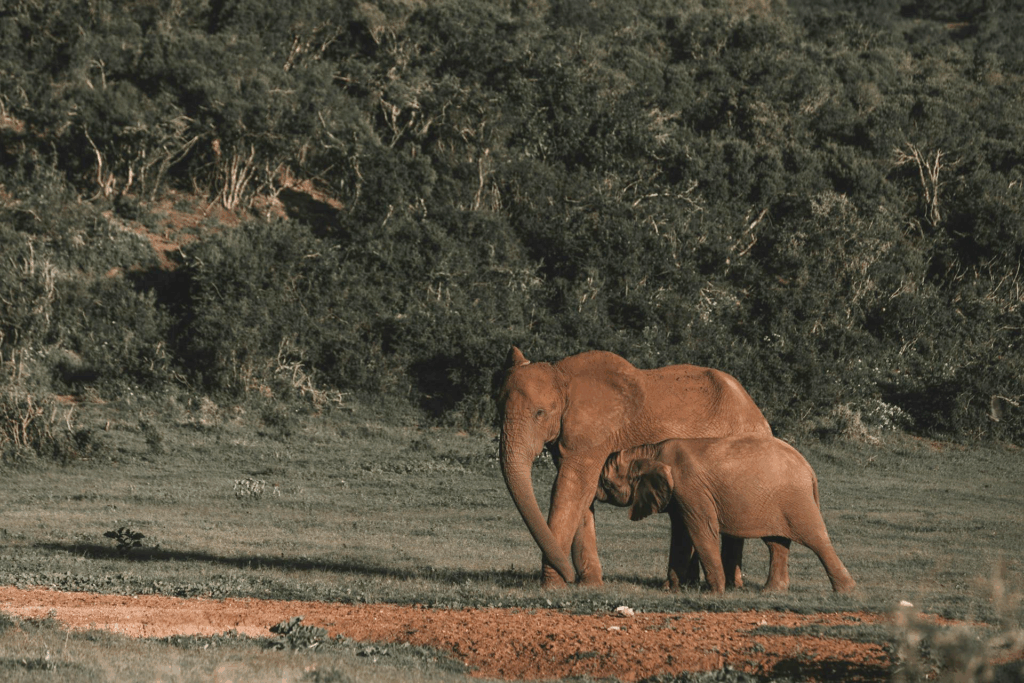
How do we make the change? Never alone! Because the funny thing is that other people have long seen us as oak trees or fully grown elephants and find what we believe about ourselves completely absurd. After all, they don’t share our old perspective or our worldview. They see things anew, as they are now.
No amount of self-reflection can correct our worldview. We need other people who look at us lovingly from the outside. And then share the current reality. Only then can our worldview be corrected. How we see ourselves and the world.
Only then can we correct our “blurriness” in perception. And then we see more clearly. (By the way, this is now the image from above in full resolution.)
If we grow up in pain, we develop a very simple worldview. A very low resolution. It would be like a phone or monitor with 12×8 pixels. Like the pixelated image at the beginning. We see just enough to survive. And whether it’s good for us or not doesn’t matter because we’re far too preoccupied with ourselves. We classify other people into familiar categories. Maybe three levels of toxicity, because everything is pain anyway.
This worldview is simple, but not helpful and very vague.
So, dear friends, switch to at least HD, if not 4K. And you can do this together. With others. Move away from judging and condemning, and toward truly seeing and understanding.
“You will never see anyone else better than you see yourself.
And you can never love another person more than you love yourself.”
This refers to love, not lust or desire. So, in small steps toward a clearer world.
Leave a Reply