Why Repeated Assistance Hinders Development
Reading time: approx. 3–4 minutes
The image of the stray cat is not meant to be romantic, nor is it intended to evoke pity—even though it usually does. It is functional.
A stray cat comes when it’s hungry. It takes in warmth, food, and shelter. And when it’s full or the closeness becomes too binding, it leaves again. Not out of malice. But because, for it, attachment is not a safe place.
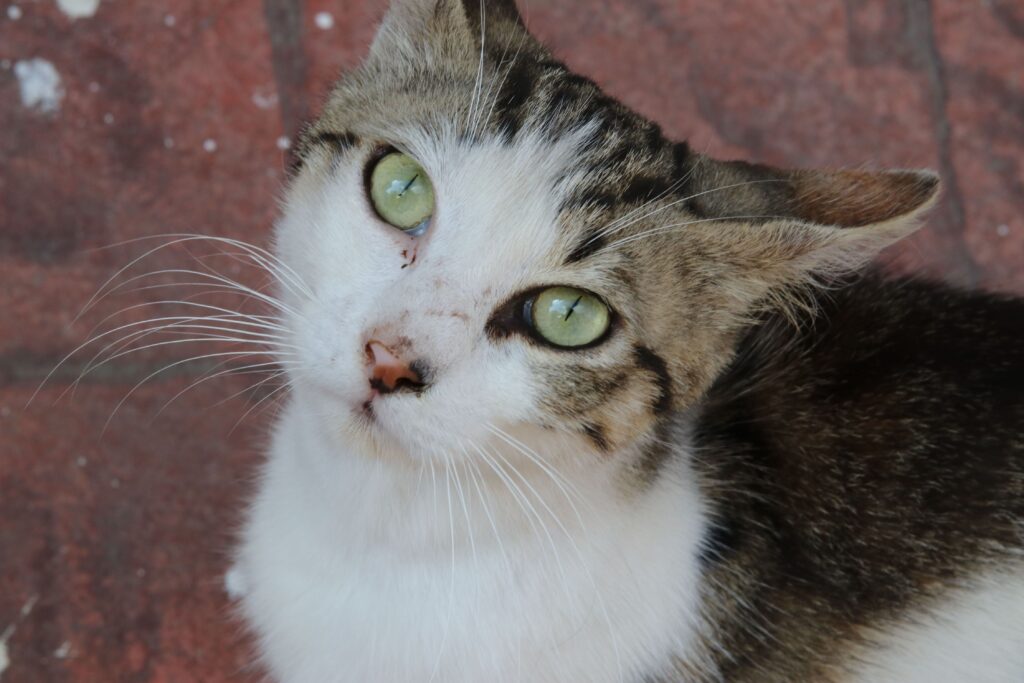
The Stray Cat model uses this image to describe a relationship dynamic that many people are familiar with: closeness is sought—but not integrated. Connection is used—but not stabilized. Anyone who feels that “I’m not enough” (or “I’m too much”) is, in a sense, a stray cat. They are avoidant.
And this is where the crucial point comes in: What happens if we keep feeding them?
Help isn’t the problem. Repetition is.
First aid is a human response. When someone is unstable, injured, or in distress—we react. The problem doesn’t start with compassion. It starts with structure.
A system quickly learns where regulation comes from. If emotional relief is consistently provided from outside, the individual does not develop internal coping skills. Instead, relief is provided.
Relief becomes expectation. Expectation becomes entitlement. Entitlement becomes silent dependence. Not because someone is manipulative, but because systems are efficient.
Helping more than once can be empowering. After that, what the model refers to as “toxic charity” begins: help that replaces development.
External regulation hinders self-efficacy
In volatile relationships, closeness is often used as a means of emotional regulation. Someone feels insecure, overwhelmed, or emotionally drained—and seeks connection to stabilize that feeling. When we take on this role of emotional regulation permanently, we shift the responsibility.

That feels caring. Structurally, it’s a shift in self-efficacy.
Relationships then become not a place of growth, but a place of comfort. Not integration, but relief. And relief alone doesn’t change anything.
Why we’re still feeding them
Because helping gives meaning.
It gives us a role. It protects us from feeling powerless. And it often harbors a hidden hope: If only I’m stable enough, if only I give enough, then everything will be secure.
This is where the dynamic shifts. It is no longer compassion that drives us, but the fear of loss. We stabilize—so as not to be destabilized ourselves. And suddenly, our inner peace depends on the other person’s behavior. That is not love. That is structural dependence on the outcome.
A relationship or a charging station?
If closeness serves primarily as a means of regulation, a symmetrical relationship does not develop. Instead, a functional structure emerges: one person provides stability, while the other relies on it.
Both experience a sense of connection. But no one grows.
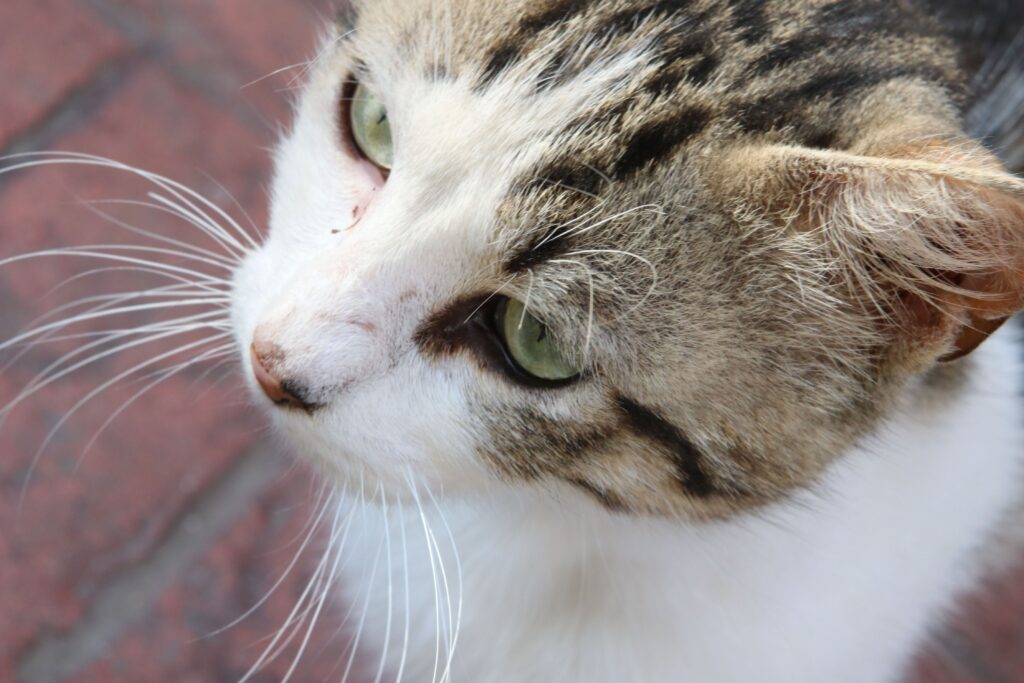
The Stray-Cat model identifies precisely this point as a turning point: as long as assistance replaces development, the system remains stable—but immature.
The Alternative: Anchor Instead of Lifesaver
Not feeding someone doesn’t mean turning a cold shoulder. It means not hindering their growth.
An anchor remains present. It is stable. It doesn’t react with panic to distance. It doesn’t take on someone else’s responsibility. It is there—without an agenda.
A rescuer, on the other hand, needs a result. An anchor does not.
This distinction is crucial. Because as soon as we want to rescue, we re-enter the realm of control—even if it’s packaged in a friendly way.
This is the starting point of the Stray-Cat model: relationships as a space for personal growth, not as a place of constant regulation.
If this idea resonates with you or leaves you puzzled, it’s worth taking a look at the full document. There, the dynamics are systematically explored—including the psychological mechanisms behind avoidance and attachment insecurity.
Stray-Cat Model: OrgIQ_WhitePaper_StrayCatModel_Release_DE (EN Version ToDo)
In addition, here is the Avoidance white paper:OrgIQ_WhitePaper_AvoidancePattern_Release_DE (EN Version ToDo)
Leave a Reply